
Keeping Your Pets Cool This Summer: Signs of Heat Exhaustion and Tips for Safe Temperatures
- 1 day ago
- 3 min read
Summer days bring plenty of fun opportunities to enjoy the outdoors with your pets. But the rising temperatures can quickly turn dangerous if you don’t take steps to protect your dogs and elderly pets from heat-related issues. Knowing how to keep your dogs cool and recognizing the signs of heat exhaustion can make all the difference in keeping your furry friends safe and comfortable during the hottest months.
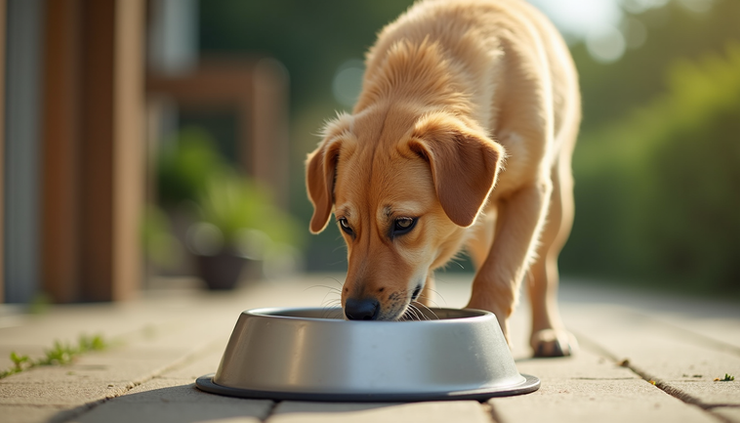
Why Heat Is Dangerous for Dogs and Elderly Pets
Dogs regulate their body temperature differently than humans. They rely on panting and limited sweating through their paw pads to cool down. When the temperature climbs, especially above 85°F (29°C), their bodies can struggle to keep cool. This risk increases for elderly dogs, who may have slower metabolism, underlying health conditions, or reduced mobility.
Overexertion in the heat can quickly lead to heat exhaustion, a serious condition that can escalate to heat stroke if untreated. Heat exhaustion happens when a dog’s body temperature rises too high and their cooling mechanisms fail. This can cause dehydration, organ damage, and even death.
Recognizing the Signs of Heat Exhaustion in Dogs
Spotting heat exhaustion early is critical. Here are the common signs of heat exhaustion to watch for:
Excessive panting or difficulty breathing
Drooling more than usual
Bright red or pale gums
Weakness or lethargy
Vomiting or diarrhea
Rapid heartbeat
Confusion or disorientation
Collapse or seizures in severe cases
If you notice any of these symptoms, act quickly to cool your dog and seek veterinary care immediately.
How to Keep Your Dogs Cool During Hot Weather
Keeping your pets safe in the heat requires planning and attention. Here are practical tips for how to keep your dogs cool:
Provide plenty of fresh water at all times. Carry water with you on walks and outings.
Offer shade whenever your dog is outside. Trees, umbrellas, or a covered patio work well.
Avoid peak heat hours for exercise. Early mornings and late evenings are cooler and safer.
Limit strenuous activity to prevent overexertion. Short, gentle walks are better than long runs.
Use cooling mats or damp towels for your dog to lie on.
Never leave your dog in a parked car, even for a few minutes. Temperatures inside cars can rise dangerously fast.
Consider dog-friendly cooling vests or bandanas designed to lower body temperature.
Special Care for Elderly Dogs in Summer
Older dogs need extra attention because their bodies don’t handle heat as well. They may have arthritis or heart conditions that make movement difficult, increasing their risk of overheating. Here’s what to keep in mind:
Monitor their activity closely and reduce exercise intensity.
Keep them indoors during the hottest parts of the day.
Use fans or air conditioning to maintain a cool environment.
Check their water intake regularly and encourage drinking.
Watch for subtle changes in behavior that could indicate discomfort or heat stress.
What to Do If Your Dog Shows Signs of Heat Exhaustion
If your dog shows any signs of heat exhaustion, take these steps immediately:
Move your dog to a cooler, shaded area.
Offer small amounts of cool (not cold) water to drink.
Apply cool, wet towels to their body, especially the neck, chest, and paws.
Use a fan to help lower their temperature.
Avoid ice-cold water or ice packs, which can cause shock.
Contact your veterinarian right away for advice or emergency care.
Prompt action can prevent heat exhaustion from turning into a life-threatening emergency.

Final Thoughts on Keeping Pets Safe in the Heat
Summer is a wonderful time to bond with your pets outdoors, but the heat demands respect and caution. Understanding how to keep your dogs cool and recognizing the signs of heat exhaustion can save lives. Always prioritize shade, hydration, and avoiding overexertion, especially for elderly dogs who are more vulnerable.
If you ever feel unsure about your pet’s condition in hot weather, don’t hesitate to reach out to your vet. Taking these simple steps ensures your pets enjoy summer days safely and comfortably.


Comments